Can't Go Forward Without Looking Back
Poker's history stretches back more than 150 years in America

I love history. It was always one of my favorite subjects in school and I love digging into poker history whenever I get the chance. I’m currently in Atlantic City and between “Boardwalk Empire,” “The Big Bankroll,” and a lifetime obsession of Monopoly, my inner nerd is in full swing.
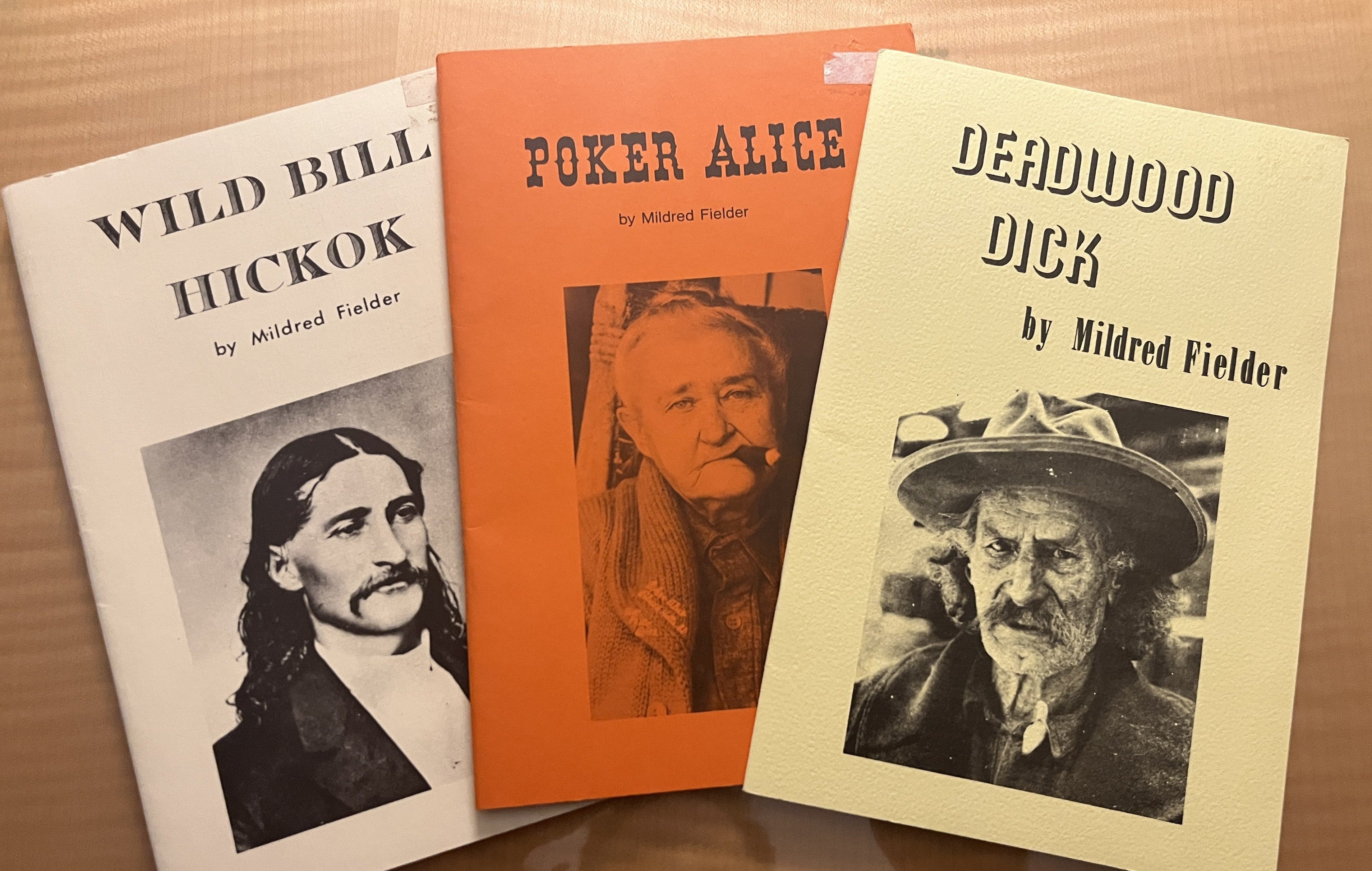
Before I left home, I gambled three pieces of obscure poker history written by Mildred Fielder – “Deadwood Dick,” “Poker Alice,” and “Wild Bill Hickok.” Hickock was in the inaugural class of the Poker Hall of Fame in 1979 and a South Dakota legend.
It was $12 plus shipping to take a chance on short biographies, but you’ll never find gold if you don’t go mining.
Fielder grew up in South Dakota and was a lifetime writer. She published poetry, historical accounts and biographies. She gained national attention for her book “Railroads of the Black Hills” and subsequently inducted into the South Dakota Hall of Fame.
“Poker Alice” was a miner’s wife in the 1870s and became a young widow. As Fielder retells her story, she writes, “With a streak of the gambler in her soul, she took what little money she had and bet it a poker game. She won, and she played againd. Alice was lucky and she had an impassive face. Before long, she was sure she could make a living just playing cards.”
I know the hardships female players face in the modern world and I can’t even imagine playing in saloons against miners. Alice met Warren G. Tubbs, a fellow gambler, and she remarried, living life as professional gamblers.
“Deadwood Dick” is a frontier regulator in of a popular series of dime novels produced at the turn of the 20th century in the Great Plains. Fielder counted 64 separate novels featuring “Deadwood Dick” as the protagonist but estimates he appeared in more than 400 separate works. Edward Zane Carroll Judson is credited with writing most of the series with a variety of different names.
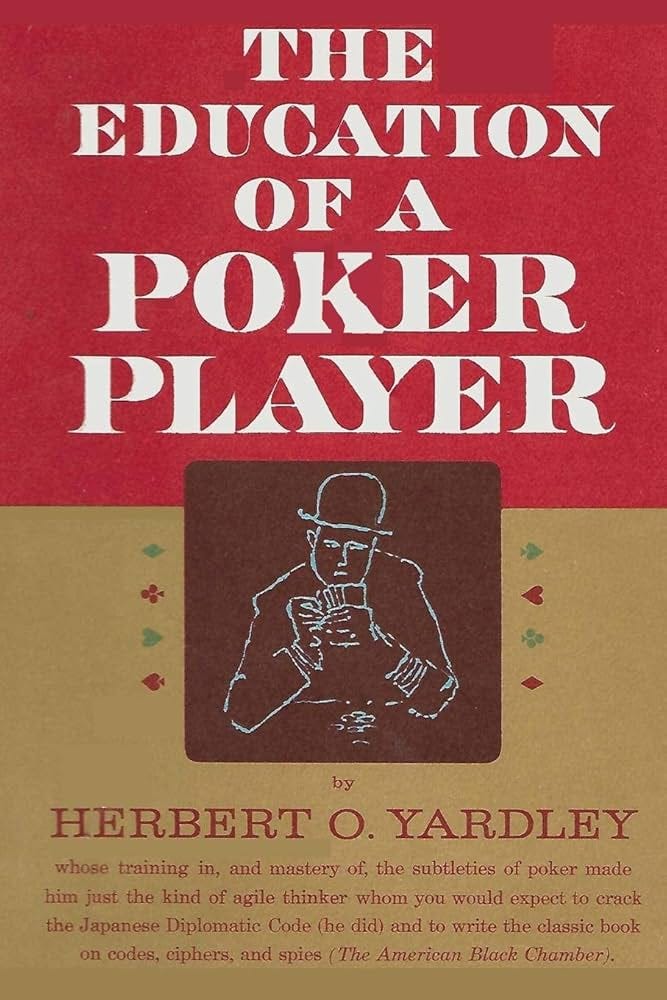
I can’t get enough. I’ve read Herbert Yardley’s “Education of Poker Player” several times and through my hoarding, I have three first edition printings from 1957. (Contact me if you seriously want one) As much as poker is a game of change and adjustments, the game hasn’t changed a whole lot in 150 years.